
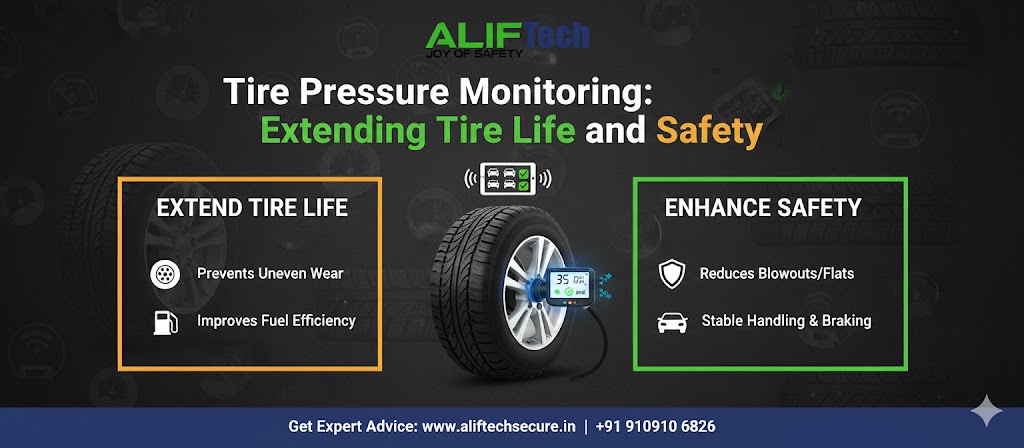
Tire Pressure Monitoring: Extending Tire Life and Safety
Taking care of your vehicle’s tires is one of the simplest ways to stay safe on the road. When your tires have the right pressure, you enjoy a smoother ride, better fuel efficiency, and longer tire life. One smart way to achieve this is by using a tire pressure monitoring system. It helps you keep track of your tire pressure and alerts you when something needs attention.
Why Tire Pressure Monitoring Matters
Keeping an eye on tire pressure is important for several reasons:
1. Better Safety
Low pressure reduces traction and increases stopping distance. It also raises the risk of a blowout. If the pressure is too high, the tire loses grip and wears unevenly. Because of these issues, maintaining the correct pressure greatly improves safety.
2. Improved Fuel Efficiency
The U.S. Department of Energy explains that properly inflated tires can improve fuel economy by up to 3%. Over time, this saves money and reduces unnecessary fuel use.
3. Longer Tire Life
When tires run with the wrong pressure, they wear out faster. Consistent monitoring ensures better tire health and longer lifespan.
Benefits of Using a Tire Pressure Monitoring System (TPMS)
A TPMS helps drivers stay informed without manually checking their tires every few days. Some key advantages include:
Instant Alerts when tire pressure changes
Safer Driving, since you can respond before a problem becomes dangerous
Better Tire Care, because consistent pressure reduces wear
For fleet owners, combining TPMS with tools like fleet management systems or GPS tracking adds even more control over vehicle health.
How to Monitor Tire Pressure Effectively
Here are simple ways to keep your tires in good shape:
1. Check Pressure Regularly
Make it a habit to check your tire pressure at least once a month. It’s also wise to do this before long trips.
2. Use a TPMS
A TPMS gives real-time data. It reduces guesswork and helps you act quickly when pressure drops.
3. Follow Your Vehicle’s Guidelines
Your car manual lists the recommended pressure. You can also find it on the driver-side door sticker.
4. Watch for Weather Changes
Temperature affects tire pressure. During extreme weather, check more frequently to avoid surprises.
Conclusion
Tire pressure monitoring is a simple yet powerful part of vehicle care. It boosts safety, improves fuel efficiency, and helps your tires last longer. With a bit of attention and the help of a TPMS, you can enjoy a smoother, safer, and more cost-effective driving experience. Combine this with tools like vehicle tracking and fleet management software to make maintenance even easier.
⭐ FAQs
1. What is a Tire Pressure Monitoring System (TPMS)?
A TPMS tracks the air pressure inside your tires and alerts you if the pressure becomes unsafe.
2. Why does tire pressure matter?
Correct pressure improves safety, fuel efficiency, and tire longevity.
3. Does TPMS help extend tire life?
Yes. It warns you before low pressure causes uneven wear or damage.
4. Does TPMS improve safety?
Absolutely. Proper pressure reduces blowouts and improves braking and handling.
5. Can TPMS reduce fuel costs?
Yes. Underinflated tires use more fuel, so TPMS helps you maintain optimal pressure.
6. Do fleet operators benefit from TPMS?
They benefit even more. It reduces breakdowns, improves uptime, and lowers maintenance costs.
