
Introduction
In today’s fast-paced world, fuel monitoring systems have become an essential tool for businesses and individuals alike. With the rising costs of fuel and the increasing threat of theft, it’s more important than ever to have a reliable system in place to monitor and manage fuel consumption. In this blog, we’ll explore the benefits of fuel monitoring systems, how they work, and why they’re crucial for preventing theft and optimizing consumption.
What is a Fuel Monitoring System?
A fuel monitoring system is a technology-based solution that tracks and manages fuel consumption in real-time. It typically consists of a hardware device installed in a vehicle or equipment, which collects data on fuel levels, consumption rates, and other relevant metrics. This data is then transmitted to a central server or cloud-based platform, where it’s analyzed and presented in a user-friendly format.
Benefits of Fuel Monitoring Systems
Preventing Fuel Theft
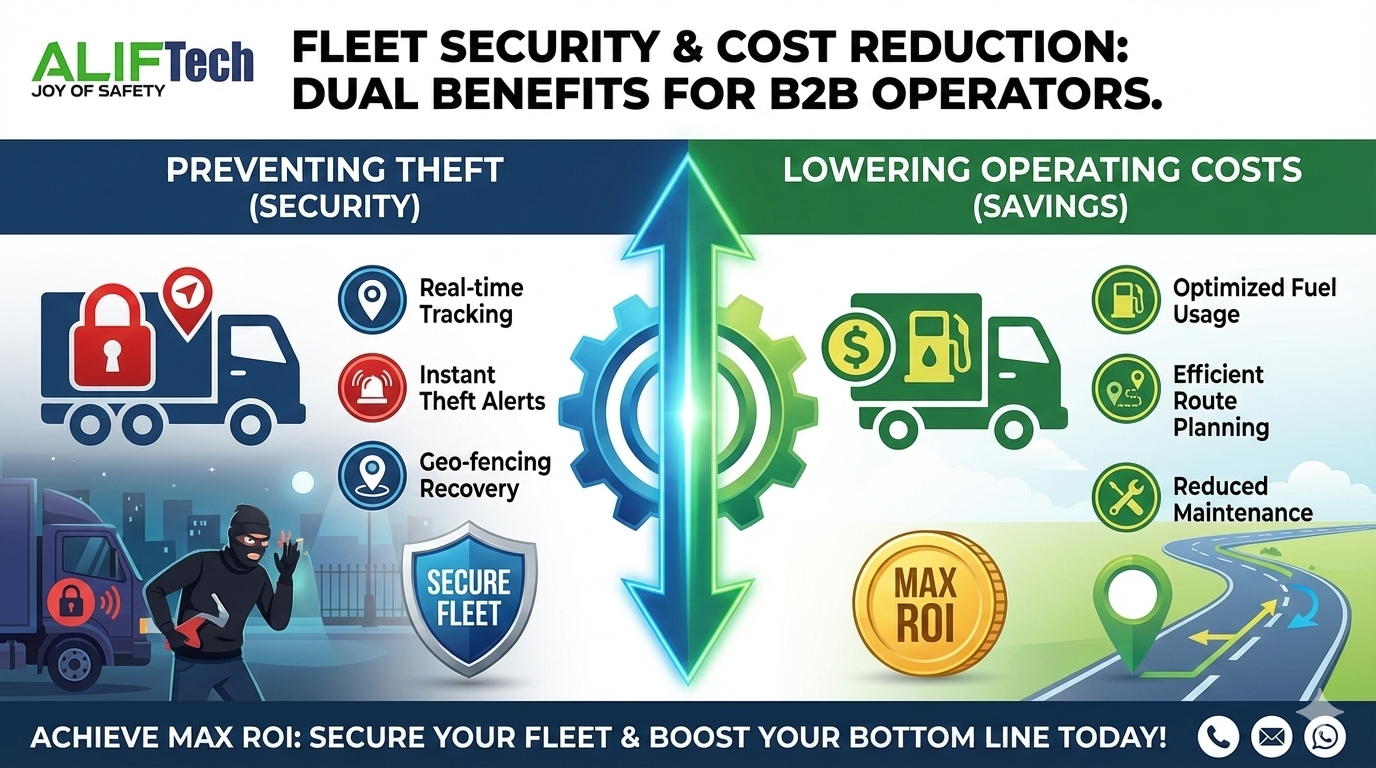
Fuel theft is a significant problem worldwide, with estimates suggesting that it costs businesses and governments billions of dollars each year. Fuel monitoring systems can help prevent theft by:
- Real-time monitoring: Track fuel levels and consumption rates in real-time, enabling immediate detection of any suspicious activity.
- Alerts and notifications: Receive alerts and notifications when fuel levels drop unexpectedly or when unauthorized access is detected.
- Geofencing: Set up virtual boundaries around specific areas, triggering alerts when a vehicle or equipment enters or exits the designated zone.
Optimizing Fuel Consumption
Fuel monitoring systems can also help optimize fuel consumption by:
- Accurate tracking: Provide accurate data on fuel consumption, enabling businesses to identify areas of inefficiency and make data-driven decisions.
- Route optimization: Analyze routes and driving habits to identify opportunities for improvement, reducing fuel consumption and lowering emissions.
- Maintenance alerts: Receive alerts when maintenance is required, helping to prevent fuel-wasting issues like clogged air filters or faulty injectors.
How Fuel Monitoring Systems Work
Fuel monitoring systems typically consist of the following components:
- Fuel sensor: Measures fuel levels and consumption rates in real-time.
- GPS tracker: Provides location data and tracks vehicle or equipment movement.
- Data transmission: Transmits data to a central server or cloud-based platform.
- Software platform: Analyzes and presents data in a user-friendly format, providing insights and alerts.
Choosing the Right Fuel Monitoring System
When selecting a fuel monitoring system, consider the following factors:
- Accuracy and reliability: Look for systems with high accuracy and reliability ratings.
- Scalability: Choose a system that can grow with your business or fleet.
- User interface: Opt for a system with an intuitive and user-friendly interface.
- Integration: Consider systems that integrate with existing fleet management software or other tools.
Conclusion
Fuel monitoring systems are a crucial tool for businesses and individuals looking to prevent fuel theft and optimize consumption. By providing real-time data and insights, these systems enable informed decision-making, reduce fuel waste, and improve overall efficiency. Whether you’re managing a fleet of vehicles or a single piece of equipment, a fuel monitoring system can help you save money, reduce emissions, and improve your bottom line.

