
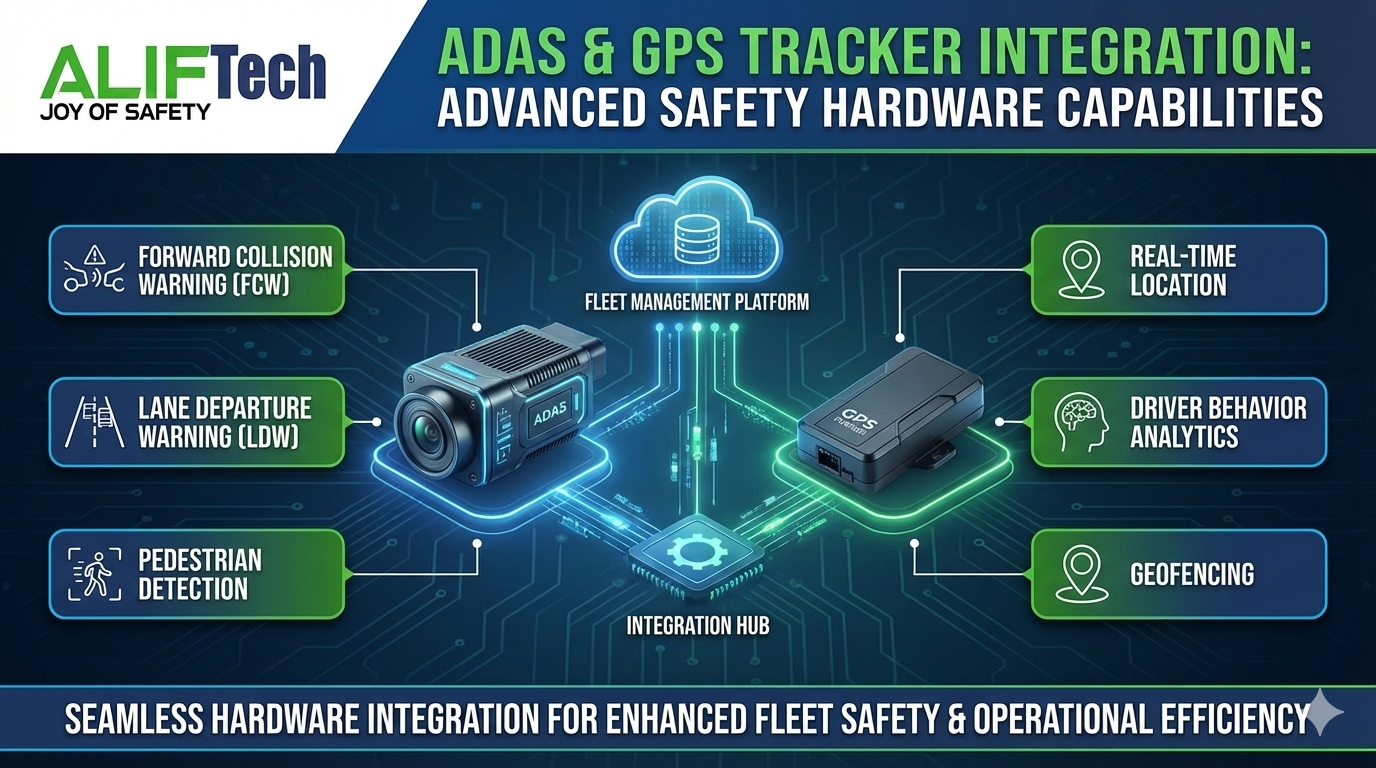
The automotive industry is changing fast, and today safety and efficiency are more important than ever. One big improvement is the integration of Advanced Driver Assistance Systems (ADAS) with fleet management systems. When these two technologies work together, fleets become safer, smarter, and more efficient.
What Is ADAS?
ADAS (Advanced Driver Assistance Systems) are technologies that help drivers stay safe on the road. These systems use sensors, cameras, radar, and lidar to warn the driver or take action when needed.
Common ADAS features include:
Adaptive Cruise Control (ACC): Keeps a safe distance from the vehicle ahead.
Lane Departure Warning (LDW): Alerts the driver when the vehicle drifts from its lane.
Automatic Emergency Braking (AEB): Applies brakes automatically to avoid a crash.
Blind Spot Detection (BSD): Warns when another vehicle is in the blind spot.
What Are Fleet Management Systems?
Fleet management systems help businesses monitor and manage their vehicles. They track vehicle health, driver behavior, fuel usage, and real-time location.
Key features include:
GPS Tracking – Live location of each vehicle
Telematics – Data on engine health, speed, braking, and driving habits
Maintenance Reminders – Alerts for servicing and repairs
Fuel Monitoring – Helps reduce fuel waste and control fuel costs
Why Integrating ADAS With Fleet Management Is Important
When ADAS data is combined with fleet management systems, the fleet becomes much safer and more efficient. Here’s how:
1. Better Safety
Fewer Accidents: Systems like AEB and LDW prevent crashes before they happen.
Improved Driver Behavior: Drivers get alerts for harsh braking, speeding, or unsafe driving.
Regulatory Compliance: Helps companies follow safety rules and avoid penalties.
2. Higher Operational Efficiency
Smarter Routes: Combined data helps find faster, safer, and more fuel-efficient routes.
Better Fuel Efficiency: ACC helps maintain smooth driving, reducing fuel waste.
Predictive Maintenance: Early warnings prevent breakdowns and reduce downtime.
3. Cost Savings
Lower Insurance Costs: Safer fleets often qualify for reduced insurance premiums.
Reduced Repair Costs: Predictive maintenance lowers unexpected repair expenses.
More Productivity: Less downtime means more trips completed on time.
Real-World Examples
Logistics Company: Saw a 20% drop in accidents and 15% better fuel efficiency after integrating ADAS with fleet management.
Public Transport Fleet: Reduced maintenance costs by 30% and increased punctuality by 10%.
Challenges You Should Know
Even though the benefits are strong, some challenges exist:
High Initial Investment: Setting up ADAS and telematics hardware costs money.
Data Integration Issues: Both systems must work smoothly together.
Driver Resistance: Some drivers feel ADAS is “monitoring” them too closely.
Conclusion
Integrating ADAS with fleet management systems is a smart move for any fleet. It improves safety, reduces costs, saves fuel, and makes operations smoother. As technology grows, this integration will only become more powerful—making fleets safer, more efficient, and ready for the future.
FAQs: ADAS Integration with Fleet Management Systems
1. What is ADAS in fleet management?
ADAS (Advanced Driver Assistance Systems) is a set of safety technologies like lane warnings, emergency braking, and blind spot detection. When combined with fleet management, it helps monitor driving behavior and reduce accidents.
2. How does ADAS improve fleet safety?
ADAS alerts drivers before risky situations and automatically controls the vehicle when needed. This reduces accidents, improves driver awareness, and ensures safer fleet operations.
3. Can ADAS reduce fleet costs?
Yes. ADAS reduces fuel waste, minimizes accidents, lowers maintenance costs, and helps fleets qualify for lower insurance premiums.
4. Do fleet owners need special hardware for ADAS integration?
Most ADAS features require sensors, cameras, or built-in vehicle systems. These are then connected to fleet management software to share data.
5. Is ADAS difficult for drivers to use?
No. ADAS works automatically in the background. Drivers only receive alerts or assistance when needed.
6. Can ADAS help with fuel savings?
Yes. Features like Adaptive Cruise Control help maintain steady speeds, reducing unnecessary fuel use.
