
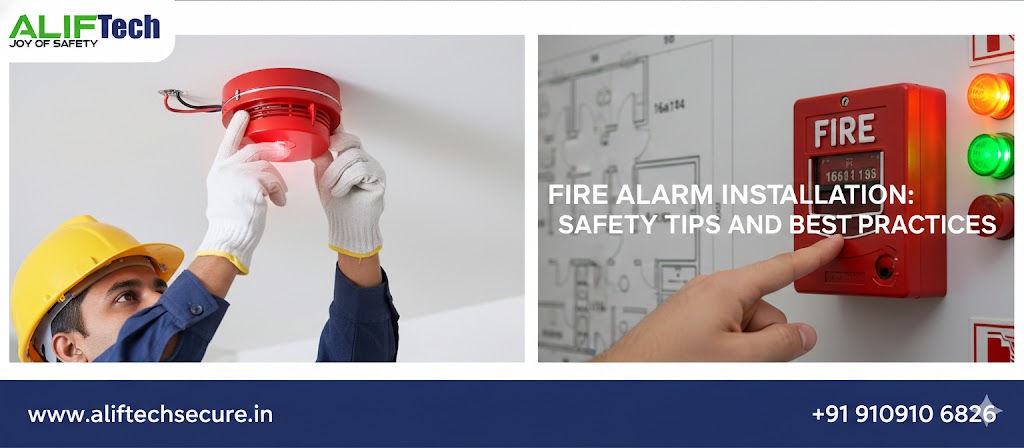
Fire Alarm Installation: Safety Tips and Best Practices
Fire alarm installation is critical for protecting lives and property from fire hazards. Whether installing in homes or commercial buildings, proper fire alarm installation following safety tips and best practices ensures reliable detection and early warning. This comprehensive guide covers everything from planning to testing for successful fire alarm installation.
Understanding fire safety fundamentals is essential before starting any fire alarm installation project. First, fire alarms detect smoke, heat, or flames providing crucial early warning. Moreover, proper installation can mean the difference between life and death during emergencies. Therefore, following professional fire alarm installation best practices is non-negotiable for safety.
For comprehensive fire safety systems, explore various alarm options. Additionally, review our fire alarm system comparison for conventional vs addressable technologies.
Understanding Fire Alarm Systems
Types of Fire Alarm Systems
Before beginning installation, understand available system types. First, conventional fire alarms divide buildings into zones (2-32 zones per panel) making them suitable for small to medium buildings. Then, addressable fire alarms identify exact detector locations ideal for large or complex buildings.
Moreover, wireless fire alarms eliminate extensive wiring perfect for retrofit installations or historic buildings. Additionally, aspirating smoke detection offers ultra-early warning for critical facilities like data centers.
Each type has specific installation requirements. Therefore, selecting appropriate technology for your building is the foundation of successful fire alarm installation.
Fire Alarm Components
Complete fire alarm installation includes multiple components:
- Control panel: System brain processing detector signals
- Smoke detectors: Optical or ionization sensors detecting smoke
- Heat detectors: Respond to temperature changes or rates
- Manual call points: Break-glass stations for manual activation
- Sounders/bells: Audio alarm devices alerting occupants
- Strobe lights: Visual alerts for hearing-impaired individuals
- Power supply: Main power plus battery backup
Understanding each component’s function ensures proper fire alarm installation. Moreover, compliance with local fire codes requires specific components.
Learn about building security systems for integrated protection strategies.
Pre-Installation Planning
Site Survey and Assessment
Successful fire alarm installation begins with thorough planning. First, walk through the entire property identifying all areas requiring coverage. Then, note ceiling heights, room sizes, and potential obstructions. Additionally, identify HVAC vents, lighting fixtures, and structural elements affecting detector placement.
Moreover, review building plans if available. Furthermore, consult with local fire marshals about specific code requirements. Finally, document everything photographically for reference during installation.
Calculate Detector Requirements
Proper fire alarm installation requires adequate detector coverage. First, smoke detectors typically cover 80-100 square meters in open spaces. However, reduce coverage area for rooms with partitions or obstacles.
Coverage Calculation Example:
- Open office 500 sq meters: 5-6 smoke detectors
- Hallway 3 meters wide, 30 meters long: 3-4 detectors
- Individual rooms under 40 sq meters: 1 detector each
Additionally, place detectors in every bedroom, hallway, stairwell, and common area. Moreover, commercial buildings require detectors in storage rooms, mechanical spaces, and ceiling voids.
Compliance and Permits
Fire alarm installation must comply with regulations. First, obtain necessary permits from local authorities before starting. Then, ensure design meets National Building Code (NBC) requirements in India. Additionally, verify compliance with NFPA standards where applicable.
Moreover, commercial installations require approved drawings and professional certification. Furthermore, schedule inspections at key milestones. Finally, maintain all documentation for insurance and legal purposes.
Check fire safety regulations for current building code requirements.
Fire Alarm Installation Best Practices
Detector Placement Guidelines
Proper placement is crucial for effective fire alarm installation. First, install smoke detectors on ceilings or high on walls (within 300mm of ceiling). Then, avoid corners where air circulation is poor. Additionally, maintain clearances from HVAC vents (minimum 1 meter) and lighting fixtures (minimum 500mm).
Critical Placement Rules:
- Bedrooms: Install inside each sleeping area
- Hallways: Every 15 meters in corridors
- Stairwells: Each level including basement
- Kitchen: Heat detector (not smoke—false alarms)
- Bathrooms: Generally not required (steam issues)
- Living areas: Central location for coverage
Moreover, position detectors considering air flow patterns. Furthermore, avoid dead air spaces in corners or near beams. Additionally, higher ceilings require more detectors or different spacing calculations.
For integrated security, check our CCTV installation guide for comprehensive monitoring.
Wiring and Power Requirements
Professional fire alarm installation requires proper electrical work. First, use fire-rated cables (FR-LSH or FRLSH) meeting local standards. Then, maintain proper cable routing avoiding electrical interference. Additionally, support cables every 1-1.5 meters preventing sagging.
Wiring Best Practices:
- Separate fire alarm cables from power cables
- Use dedicated conduits or trunking
- Maintain minimum bending radius (10× cable diameter)
- Label all cables clearly at both ends
- Test continuity before connecting devices
- Document cable routes for future maintenance
Moreover, ensure adequate power supply capacity. Furthermore, install battery backup providing minimum 24-hour standby plus 30-minute alarm time. Additionally, use regulated power supplies preventing voltage fluctuations.
Control Panel Installation
The control panel is central to fire alarm installation success. First, install in a secure, accessible location protected from tampering. Then, mount at comfortable height (1.4-1.7 meters) for operation and maintenance. Additionally, ensure adequate clearance for door opening and servicing.
Panel Location Requirements:
- Climate-controlled environment (avoid extreme temperatures)
- Dry area (no water exposure risk)
- Well-lit for easy reading and operation
- Near main entrance for emergency responder access
- Locked or secured against unauthorized access
- Adequate ventilation preventing overheating
Moreover, provide clear labeling identifying all zones. Furthermore, post operating instructions nearby. Additionally, ensure battery compartment is easily accessible for replacement.
Reference our access control guide for integrated security solutions.
Manual Call Point Installation
Manual call points are essential for fire alarm installation. First, install at all exit routes and staircases. Then, position at 1.4 meters height (consistent throughout building). Additionally, ensure visibility—bright red color, illuminated where needed.
Call Point Placement:
- Maximum 30 meters travel distance to nearest point
- At exit doors of large rooms
- Each floor level near stairwells
- Protected from accidental activation
- Clearly visible with signage where needed
Moreover, test break-glass operation after installation. Furthermore, provide protective covers in areas prone to accidental activation.
Sounder and Strobe Installation
Audio-visual alarms complete fire alarm installation. First, install sounders producing minimum 65 dBA throughout building (75 dBA in sleeping areas). Then, position to ensure audibility in all occupied spaces.
Sounder Requirements:
- Distributed to avoid dead spots
- Higher volume in noisy environments
- Different tones for different alarm types
- Protected from tampering or damage
Additionally, install visual strobes for hearing-impaired accessibility. Moreover, synchronize all strobes preventing epileptic seizure triggers. Furthermore, test coverage ensuring visibility throughout spaces.
Explore our burglar alarm systems for complete property protection.
Installation Safety Precautions
Electrical Safety
Fire alarm installation involves electrical hazards requiring precautions. First, disconnect power before working on circuits. Then, use proper insulated tools rated for voltage levels. Additionally, verify circuits are de-energized with voltage testers.
Safety Measures:
- Use lockout/tagout procedures
- Wear appropriate PPE (safety glasses, gloves)
- Avoid working alone on electrical systems
- Use proper ladders or scaffolding (no makeshift solutions)
- Follow manufacturer’s installation instructions exactly
- Ground all equipment properly
Moreover, hire licensed electricians for complex installations. Furthermore, never bypass safety interlocks or override protection features.
Working at Heights
Fire alarm installation often requires working at elevated positions. First, use proper ladders or scaffolding rated for your weight plus tools. Then, maintain three points of contact when climbing. Additionally, never overreach—reposition ladder instead.
Height Safety:
- Inspect ladders before each use
- Secure ladders preventing movement
- Use fall protection for work above 2 meters
- Clear work area below of people
- Have spotter for tall ladder work
- Avoid working in poor lighting conditions
Moreover, consider lift equipment for high ceilings. Furthermore, ensure adequate ventilation when working in ceiling voids.
Tool and Equipment Safety
Proper tools ensure safe fire alarm installation. First, use calibrated testing equipment for accurate results. Then, inspect all tools before use checking for damage. Additionally, use power tools with proper guards and safety features.
Moreover, store tools properly preventing accidents. Furthermore, follow manufacturer instructions for specialized equipment. Finally, wear appropriate PPE including safety glasses when drilling or cutting.
Testing and Commissioning
Initial Testing Procedures
Thorough testing validates fire alarm installation. First, test each detector individually using test equipment or aerosol test spray. Then, verify control panel correctly identifies each device. Additionally, check all zone indicators and displays.
Testing Checklist:
- ✓ Smoke detector activation and response
- ✓ Heat detector operation (heat source test)
- ✓ Manual call point break-glass function
- ✓ Sounder volume levels throughout building
- ✓ Strobe light visibility and synchronization
- ✓ Control panel alarm display accuracy
- ✓ Battery backup operation and duration
- ✓ System reset functionality
Moreover, test interconnected systems like elevator recall or door release. Furthermore, document all test results comprehensively.
Sensitivity Testing
Detector sensitivity affects fire alarm installation performance. First, test smoke detectors ensuring response to appropriate smoke levels. Then, verify heat detectors activate at specified temperatures. Additionally, check that sensitivity isn’t too high causing false alarms or too low missing real fires.
Moreover, use calibrated test equipment for accurate measurements. Furthermore, adjust sensitivity within manufacturer’s recommended ranges. Finally, retest after adjustments confirming proper operation.
System Integration Testing
Complete fire alarm installation includes integration testing. First, verify connections to building management systems. Then, test emergency lighting activation upon alarm. Additionally, confirm HVAC shutdown or smoke control activation.
Moreover, test notification to monitoring stations if applicable. Furthermore, verify elevator recall to ground floor. Finally, check electromagnetic door holders release properly.
For network integration, review our network security practices ensuring proper connectivity.
Maintenance and Ongoing Safety
Regular Inspection Schedule
Proper maintenance ensures fire alarm installation remains reliable. First, conduct weekly visual inspections of panel indicators. Then, perform monthly manual call point tests. Additionally, schedule quarterly comprehensive system testing.
Maintenance Schedule:
- Weekly: Visual panel check, indicator lights
- Monthly: Manual call point test, battery check
- Quarterly: Full system test, detector sampling
- Semi-annually: Battery load test, sensitivity check
- Annually: Professional inspection and certification
Moreover, maintain detailed log books documenting all tests. Furthermore, address any issues immediately—never defer fire safety repairs.
Cleaning and Upkeep
Regular cleaning maintains fire alarm installation effectiveness. First, vacuum or blow out dust from smoke detectors quarterly. Then, check for paint or contaminants blocking sensors. Additionally, clean control panel displays and labels.
Cleaning Guidelines:
- Use compressed air or soft brush for detectors
- Never use water or cleaning chemicals on electronics
- Remove detector covers carefully following manufacturer instructions
- Check for insect nests or debris in devices
- Clean manual call point covers maintaining visibility
- Ensure sounders aren’t obstructed or painted over
Moreover, replace detectors every 10 years regardless of condition. Furthermore, update control panel firmware per manufacturer recommendations.
False Alarm Prevention
Reducing false alarms improves fire alarm installation credibility. First, identify common causes—cooking smoke, steam, dust, insects. Then, relocate problematic detectors if necessary. Additionally, consider detector type changes (optical vs ionization).
Prevention Strategies:
- Use heat detectors in kitchens instead of smoke
- Photoelectric detectors less prone to cooking false alarms
- Regular cleaning prevents dust accumulation
- Seal conduits preventing insect entry
- Educate occupants about alarm system operation
- Implement alarm verification delay where appropriate
Moreover, maintain thorough records of false alarms identifying patterns. Furthermore, never disable detectors to prevent false alarms—fix root causes instead.
Check our smart lock guide for integrated access control reducing false alarm dispatch.
Cost Considerations
Fire Alarm Installation Costs
Budget appropriately for comprehensive fire alarm installation:
Small Home (2-3 bedroom):
- 5-7 smoke detectors: ₹3,000-7,000
- Control panel (basic): ₹5,000-10,000
- Manual call points (2): ₹1,000-2,000
- Sounders (2-3): ₹2,000-4,000
- Installation labor: ₹5,000-10,000
- Total: ₹16,000-33,000
Medium Commercial (2,000 sq meters):
- Conventional panel (8 zones): ₹25,000-50,000
- 25-30 detectors: ₹25,000-45,000
- 10 manual call points: ₹10,000-15,000
- 8-10 sounders: ₹8,000-12,000
- Cabling and materials: ₹15,000-25,000
- Professional installation: ₹30,000-60,000
- Total: ₹1,13,000-2,07,000
Large Building (10,000+ sq meters):
- Addressable system: ₹2,00,000-5,00,000
- 100+ detectors: ₹1,50,000-3,00,000
- Manual call points: ₹40,000-60,000
- Sounders and strobes: ₹50,000-1,00,000
- Installation and commissioning: ₹1,00,000-2,50,000
- Total: ₹5,40,000-12,10,000+
Additionally, budget for annual maintenance (₹5,000-50,000 depending on system size). Moreover, factor in certification and permit fees.
Visit fire alarm suppliers for equipment pricing.
Common Installation Mistakes to Avoid
Improper Detector Placement
Many fire alarm installation projects fail due to placement errors. First, never install detectors too close to HVAC vents—air flow prevents smoke detection. Then, avoid corners or areas with dead air space. Additionally, don’t place near fluorescent lights—electrical interference affects operation.
Moreover, incorrect ceiling mounting in sloped areas causes problems. Furthermore, inadequate coverage leaving blind spots compromises safety. Finally, wrong detector type in specific areas (smoke in kitchens) causes constant false alarms.
Inadequate Power Supply
Insufficient power undermines fire alarm installation reliability. First, undersized batteries fail during extended outages. Then, inadequate backup time violates code requirements. Additionally, poor quality power supplies cause intermittent faults.
Moreover, sharing circuits with other loads creates voltage drops. Furthermore, lack of surge protection damages sensitive electronics. Finally, improper battery maintenance shortens backup capability.
Poor Cable Management
Unprofessional fire alarm installation shows in wiring quality. First, unsupported cables sag or get damaged over time. Then, unlabeled cables make troubleshooting impossible. Additionally, mixed use of cable types causes compatibility issues.
Moreover, inadequate cable protection exposes wiring to damage. Furthermore, sharp bends damage conductors creating intermittent faults. Finally, poor terminations cause high resistance connections.
Insufficient Testing
Many fire alarm installation projects skip thorough testing. First, individual detector tests verify basic function but miss system integration issues. Then, inadequate documentation prevents proper maintenance. Additionally, skipping sensitivity verification causes false alarms or missed detections.
Moreover, incomplete commissioning leaves systems partially functional. Furthermore, lack of user training means occupants don’t respond appropriately. Finally, missing as-built drawings make future modifications difficult.
Conclusion: Professional Fire Alarm Installation
Successful fire alarm installation requires careful planning, proper component selection, and adherence to best practices. First, understand your building’s specific needs and applicable codes. Then, select appropriate technology balancing cost with functionality. Additionally, follow manufacturer guidelines and local regulations precisely.
Moreover, fire alarm installation is not a DIY project for most situations—complexity and life safety implications demand professional expertise. Furthermore, cutting corners on installation quality compromises the system’s most critical function: protecting lives during emergencies.
Therefore, invest in professional fire alarm installation performed by certified technicians. Whether protecting a small home or large commercial facility, proper installation following safety tips and best practices ensures your fire alarm system provides reliable early warning when every second counts. Ultimately, fire safety is too important to leave to chance.
For complete building security, explore our video door phone systems and IP camera networks for comprehensive protection.
Frequently Asked Questions: Fire Alarm Systems
Q: Can I install a fire alarm system myself?
A: Simple residential smoke detector installation is DIY-friendly. However, complete fire alarm installation with control panels, manual call points, and multiple zones requires professional certification in most jurisdictions. Moreover, commercial installations always need licensed fire alarm technicians ensuring code compliance.
Q: How many smoke detectors do I need in my home?
A: Install smoke detectors in every bedroom, outside each sleeping area, and on every level including basement. Additionally, larger homes need detectors in living rooms, hallways, and near staircases. Therefore, typical 3-bedroom home requires 5-7 detectors minimum.
Q: What’s the difference between smoke and heat detectors?
A: Smoke detectors sense smoke particles ideal for early warning in living spaces. Conversely, heat detectors respond to temperature changes suitable for kitchens, garages, or dusty areas where smoke detectors cause false alarms. Therefore, use appropriate detector type for each location.
Q: How often should fire alarms be tested?
A: Test residential smoke alarms monthly using test button. Additionally, vacuum detectors quarterly removing dust. Moreover, replace batteries annually (or when low-battery chirp starts). Commercial systems require monthly manual tests and quarterly comprehensive inspections by professionals.
Q: Do fire alarms need battery backup?
A: Yes, battery backup is mandatory for fire alarm installation. First, hard-wired systems need backup maintaining operation during power outages. Then, battery-only detectors require annual battery replacement. Additionally, commercial systems need 24-hour standby capacity plus 30-minute alarm time.
Q: Where should I NOT install smoke detectors?
A: Avoid installing smoke detectors in kitchens (use heat detectors instead), bathrooms (steam causes false alarms), near HVAC vents (air flow affects detection), or corners and areas with poor air circulation. Additionally, maintain clearance from ceiling fans and fluorescent lighting.
Q: How long do fire alarm systems last?
A: Smoke detectors require replacement every 10 years regardless of condition. Moreover, control panels last 15-20 years with proper maintenance. Additionally, sounders and manual call points last 10-15 years. Therefore, plan for periodic component replacement in fire alarm installation budgets.
Q: Are wireless fire alarms as reliable as wired systems?
A: Modern wireless fire alarm installation using commercial-grade equipment is highly reliable. However, wired systems remain gold standard for new construction and critical facilities. Moreover, wireless systems excel in retrofit applications where running cables is difficult or impossible.
