
Introduction
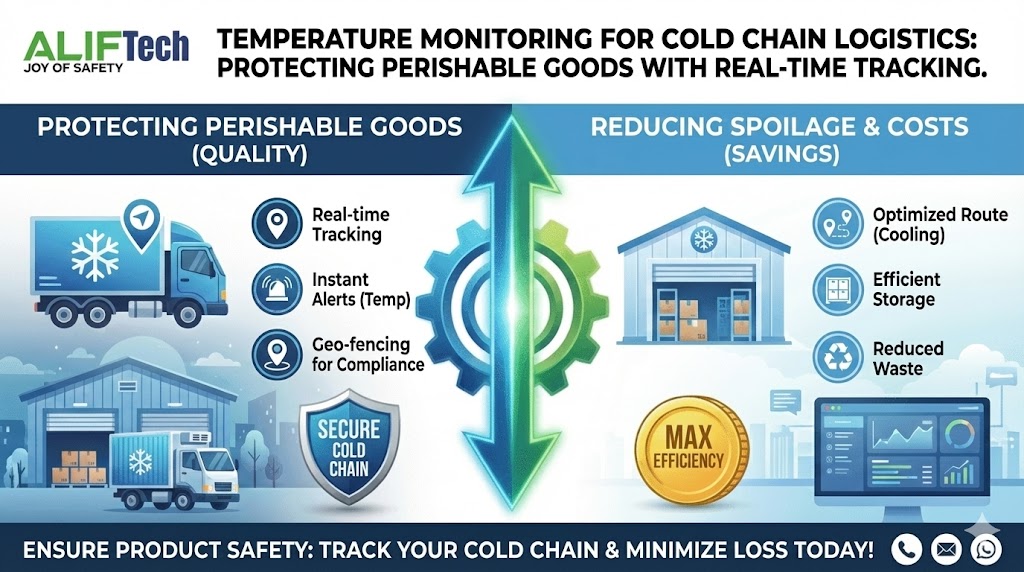
Cold chain logistics plays a vital role in delivering sensitive items like medicines, food, and beverages. Keeping the right environment during storage and transport is necessary to stop spoilage, keep products safe, and meet regulations. This guide explains why maintaining consistent oversight is key and how it helps your business.
Why It Matters
Effective thermal tracking empowers businesses to:
Keep products fresh and safe: This prevents spoilage and significant financial losses.
Follow strict rules: Adhere to standards set by agencies like the FDA to avoid fines or recalls.
Save money: Cut waste and make delivery operations more efficient.
Industry Challenges
Managing a cold supply chain comes with specific obstacles:
Varied Requirements: Different products need specific climate ranges to stay viable.
Remote Visibility: It can be hard to track conditions in remote places during long-haul transport.
Data Reliability: The solution must be accurate and reliable to enable good decision-making.
Benefits of automated Solutions
Using a modern tracking system brings many advantages:
Instant Reactions: See changes instantly so you can fix problems fast.
Precise Data: Get trustworthy information to avoid mistakes and prove compliance.
End-to-End Visibility: Track products all along the supply chain, from the start to delivery.
Key Feature to Look For
When choosing technology for your fleet, look for:
Live Alerts: Real-time updates with notifications for any environmental changes.
Analytics Tools: Features to analyze data and create reports for improving operations.
Integration: Easy connection with your current logistics software to see the full picture.
Conclusion
Strict climate supervision is essential for protecting perishable goods. With a good system, you can make sure products stay fresh, obey safety rules, and save money. Look for features like real-time alerts, detailed reports, and integration capabilities. Investing in this technology helps keep your goods safe and your business successful.
FAQs: Temperature Monitoring for Cold Chain Logistics
1. What is temperature monitoring in cold chain logistics?
Temperature monitoring involves tracking and maintaining the correct temperature of perishable goods during storage and transportation to prevent spoilage and ensure product safety.
2. Why is temperature monitoring so important?
It ensures product quality, prevents financial losses due to spoilage, maintains safety standards, and helps businesses comply with strict regulatory guidelines.
3. Which industries depend on cold chain temperature monitoring?
Industries like pharmaceuticals, food & beverages, dairy, meat, seafood, chemicals, and vaccines rely heavily on accurate temperature control.
4. What happens if temperature goes out of range?
Goods may spoil, lose efficacy (especially medicines), or become unsafe for consumption. This can lead to recalls, penalties, and major financial losses.
5. What are the common challenges in temperature monitoring?
Some challenges include maintaining different temperature ranges, monitoring remote locations, ensuring data accuracy, and preventing sensor failures.
6. How does real-time temperature monitoring help?
It provides instant alerts for any temperature deviation, allowing quick corrective action to avoid product damage.
7. Can temperature monitoring reduce operational costs?
Yes. It reduces wastage, prevents product recall, saves energy, and improves overall supply chain efficiency.
